Approachability
Speak to a clinical specialist who understands care settings, not a script-only sales queue.

About Medline
Twelve years inside Tier-1 OEMs taught us how mid-sized community hospitals get left behind on service and documentation. Medline started to fix that for laboratory, infection-control, and monitoring buyers.
The first ED I worked in had a 1992 monitoring cart that failed during a night-shift surge. I spent 12 years inside large medical OEMs watching that pattern repeat in every community hospital under 300 beds-especially when consumables, diagnostics, and monitoring were purchased from disconnected catalogs.
So we shaped Medline around one rule: every family in our portfolio has to be serviceable, documentation-ready, and evidence-backed for hospitals that are not on the academic-medical-center cover of a journal.
"Quality care doesn't end at the academic medical center."- Founder, Medline
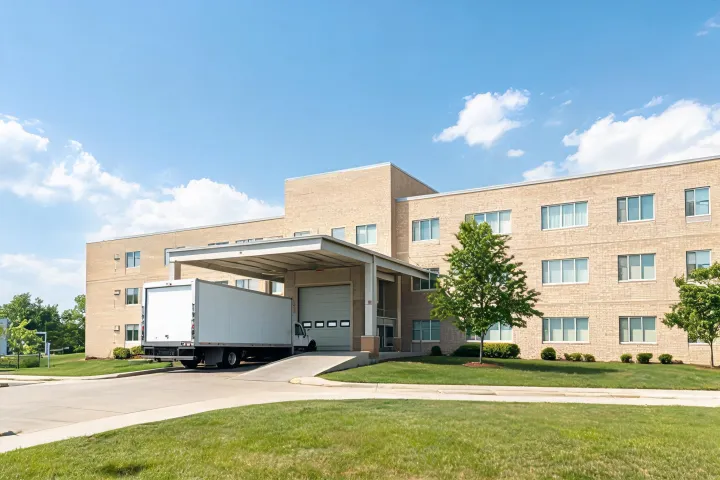
From 25-bed Critical Access Hospitals to 300-bed regional systems evaluating Medline catalogs with shared UDI paperwork.
Loaner devices and consumable buffers for Critical Access Hospitals during preventive-maintenance downtime.
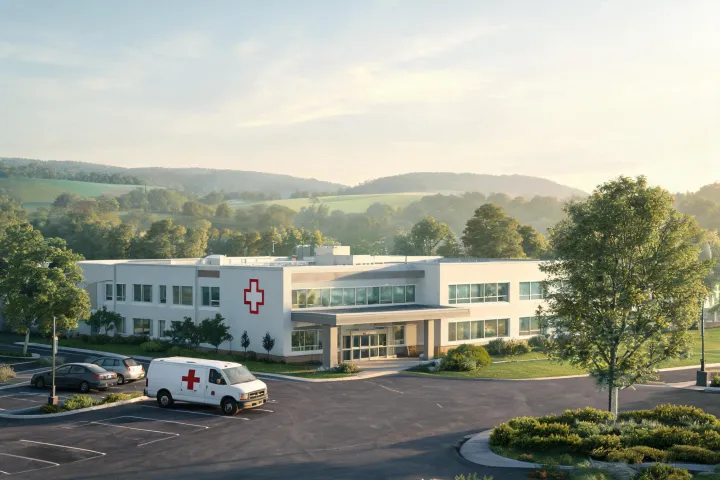

Funding pathways for biomed engineering students who return to community-hospital service teams.
Share your care setting and we will connect you with a specialist who speaks laboratory, infection control, or monitoring fluently.